Buying a used car can be a smart way to save money, but it also comes with risks. A vehicle may look clean, drive well during a test drive, and still have a history of accidents, insurance claims, odometer issues, or unpaid liens. That’s why reviewing a vehicle history report is one of the most important steps in the used car buying process.
Whether you’re purchasing your first vehicle or upgrading to a newer model, understanding how to read a vehicle history report can help you avoid costly surprises and make a more informed decision.
In this guide, we’ll explain what a vehicle history report contains, how to interpret the information, and what warning signs to watch for before purchasing a used vehicle.
What Is a Vehicle History Report?
A vehicle history report is a document that provides detailed information about a vehicle’s past. Reports from providers such as CARFAX Canada can help buyers review accident history, ownership records, lien information, and other important vehicle details before making a purchase.
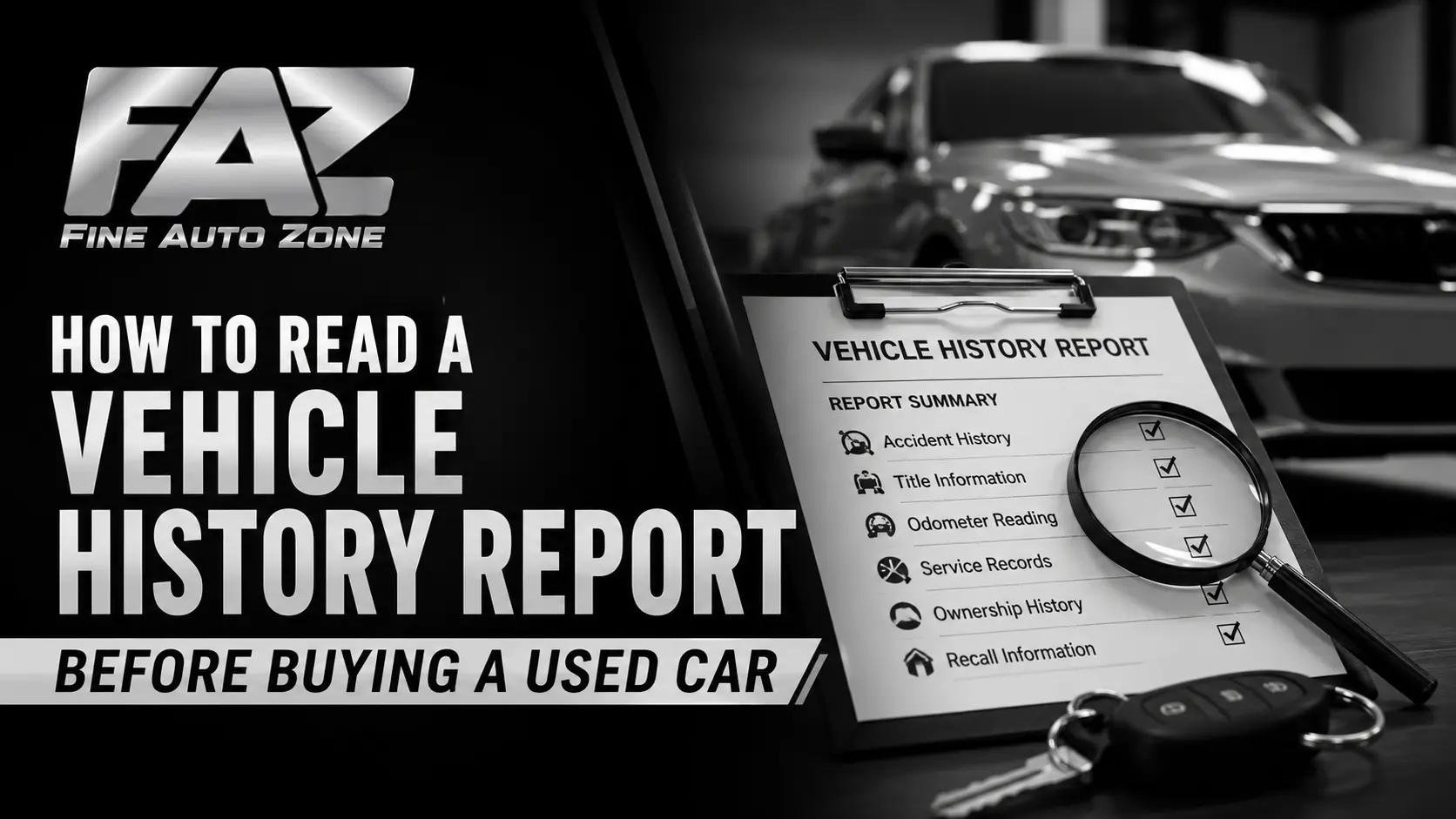
A typical vehicle history report include:
- Vehicle identification details
- Registration history
- Accident and damage records
- Insurance claims
- Odometer readings
- Lien information
- Service and maintenance records
- Ownership history
Many Canadian car buyers review a vehicle history report before completing a purchase because it offers valuable insights that may not be visible during a visual inspection or test drive.
Why Vehicle History Reports Matter When Buying a Used Car
A vehicle history report helps buyers evaluate a vehicle beyond its appearance. Even well-maintained vehicles can have hidden issues that affect safety, reliability, and resale value.
Accident History
One of the main reasons buyers review a vehicle history report is to determine whether the vehicle has been involved in an accident. Understanding the extent of previous damage can help you assess potential long-term issues and future repair costs.
Ownership History
Knowing how many owners a vehicle has had can provide useful context. While multiple owners do not automatically indicate a problem, frequent ownership changes may prompt further investigation.
Identifying Potential Risks
A report may reveal issues such as flood damage, salvage titles, rebuilt status, or outstanding liens. These factors can significantly affect a vehicle’s value and reliability.
Better Negotiation Power
A vehicle history report can also strengthen your negotiating position. If the report shows previous damage or other concerns, you may be able to justify a lower purchase price.
Key Sections of a Vehicle History Report Explained
Understanding each section of the report will help you make a more informed buying decision.
Vehicle Identification Information
Start by verifying the basic details of the vehicle.
Check the following information:
- Vehicle Identification Number (VIN)
- Year
- Make
- Model
- Trim level
The information in the report should match the vehicle you are inspecting. Any discrepancies should be investigated before moving forward.
Registration History
The registration section shows where the vehicle has been registered throughout its life.
This information can help you determine:
- The provinces where the vehicle was operated
- Whether the vehicle changed ownership frequently
- How long previous owners kept the vehicle
Vehicles that have spent significant time in regions with harsh winters may require closer inspection for rust or corrosion.
Accident and Damage Records
This is often the most closely reviewed section of a vehicle history report.
Pay attention to:
- Collision reports
- Insurance claims
- Damage estimates
- Repair costs
Not all accidents are deal-breakers. Minor repairs may have little impact on the vehicle’s performance. However, significant structural damage or multiple major claims may warrant additional caution.
Understanding accident history is particularly important when evaluating a vehicle’s long-term reliability and resale value.
Lien Information
A lien means a lender or financial institution may still have a legal claim on the vehicle because money is owed.
Purchasing a vehicle with an outstanding lien can create legal and financial complications for the buyer.
Always confirm that any existing liens have been cleared before finalizing the transaction.
Service and Maintenance Records
A well-documented maintenance history is often a positive sign.
Look for records showing routine maintenance such as:
- Oil changes
- Brake service
- Tire rotations
- Fluid replacements
- Scheduled inspections
Consistent maintenance demonstrates that previous owners likely took proper care of the vehicle.
Odometer Readings
Mileage plays an important role in determining a vehicle’s value and expected lifespan.
Review odometer records carefully to ensure readings increase consistently over time.
Unexpected decreases or inconsistencies may indicate odometer tampering, which can significantly affect a vehicle’s value and reliability.
Red Flags to Watch for in a Vehicle History Report
While many used vehicles have clean histories, certain findings deserve extra attention.
Repeated Accident Claims
Multiple accidents may indicate recurring damage or increased wear on the vehicle.
Inconsistent Odometer Readings
Mileage discrepancies are a major warning sign and should be investigated immediately.
Salvage or Rebuilt Status
Vehicles declared a total loss by an insurance company may carry salvage or rebuilt branding.
While some rebuilt vehicles can be safely repaired, buyers should proceed carefully and obtain a professional inspection.
Missing Ownership Information
Incomplete ownership records may make it difficult to verify the vehicle’s history.
Outstanding Liens
A lien that has not been discharged can become the buyer’s problem if not addressed before purchase.
A Vehicle History Report Is Important—But Not Enough
While a vehicle history report is an essential research tool, it should never be the only factor influencing your decision.
A comprehensive used car buying process should also include:
A Thorough Test Drive
Pay attention to:
- Braking performance
- Steering response
- Transmission operation
- Engine performance
- Unusual noises
A Professional Pre-Purchase Inspection
A qualified mechanic can identify issues that may not appear on a vehicle history report.
This includes:
- Suspension wear
- Frame damage
- Fluid leaks
- Tire condition
- Mechanical problems
A Visual Inspection
Check for:
- Rust
- Uneven tire wear
- Paint inconsistencies
- Poor repair work
Combining a vehicle history report with a professional inspection provides a much clearer picture of the vehicle’s overall condition.
How FineAutoZone Helps Buyers Shop with Confidence
At FineAutoZone, we understand that transparency is an important part of the used car buying experience. That’s why vehicle history information plays a key role in helping buyers make informed decisions.
Reviewing accident history, ownership records, maintenance information, and lien status allows customers to better understand the vehicles they are considering. Combined with a test drive and professional inspection, this information helps buyers shop with greater confidence and peace of mind.
Conclusion
A vehicle history report is one of the most valuable tools available to used car buyers. It can reveal important details about a vehicle’s accident history, ownership records, maintenance background, mileage, and potential financial obligations.
Before purchasing any used vehicle, take the time to carefully review the report and investigate any concerns. Remember that a clean report should be combined with a test drive and professional inspection to create a complete picture of the vehicle’s condition.
The more information you gather before buying, the more confident you’ll be in your decision—and the less likely you’ll encounter unexpected surprises down the road.
Also read- Why CARFAX Reports Are Essential When Buying a Used Car
Frequently Asked Questions
What information does a vehicle history report show?
A vehicle history report typically includes accident history, ownership records, registration history, lien information, service records, and odometer readings.
Can a vehicle history report tell me if a car was in an accident?
Yes. Most reports include reported accident records, insurance claims, and damage estimates when available.
Does a clean vehicle history report guarantee a good car?
No. A vehicle history report is an important tool, but it should be used alongside a test drive and professional inspection.
Should I get a pre-purchase inspection if the report looks good?
Yes. A mechanic may identify mechanical or structural issues that do not appear in a vehicle history report.
